How bad are NYC bidding wars in 2026, and what can first-time buyers do about them?
In July 2026, 25% of NYC home sales closed above asking price, the highest share since 2022. By August, that figure was still 21.8%, according to a New York Post report citing StreetEasy market data. Shrinking inventory, relatively high mortgage rates, and strong underlying demand have converged to create one of the most competitive environments first-time buyers have faced in years. The good news: price alone doesn't win every deal. How you structure your offer matters just as much.
Key Takeaways
- In July 2026, 25% of NYC homes sold above asking, the highest share since 2022, and August held at 21.8%, per StreetEasy data via the New York Post.
- Brooklyn is the epicenter: nearly one-third of Brooklyn homes sold above asking in August 2026, and in Park Slope, that figure exceeded 60%.
- Manhattan inventory fell roughly 11.2% year over year by August 2026, tightening competition citywide even as borough-level differences persist.
- Recent local market data shows the Upper West Side median sale price at $999,000 with a median of just 20 days on market, speed and preparation are non-negotiable.
- A fully underwritten pre-approval, tight contingency structure, and fast response time are the levers first-time buyers can actually control in a bidding war.
Why is the 2026 NYC market so competitive for first-time buyers?
The short version: supply dropped, demand didn't.
The start of 2026 looked promising. StreetEasy's February 2026 report noted a surge in new listings in January, giving buyers a brief window of relative breathing room. Mortgage rates had dipped slightly, and contract activity was stable. That window closed fast.
By late summer, StreetEasy's data showed total NYC inventory down about 5% year over year, with Manhattan alone down roughly 11.2%. At the same time, The Real Deal's September 2026 coverage confirmed that the elevated above-asking share in both July and August signals sustained momentum, not a one-month blip. Add a national average 30-year mortgage rate of around 6.7% in August 2026, and you have a market where buyers are competing fiercely for fewer homes while carrying higher borrowing costs.
For first-time buyers, this is the environment you're walking into. It's not impossible, but it requires a different level of preparation than what worked even two years ago.
Where are bidding wars hitting hardest?
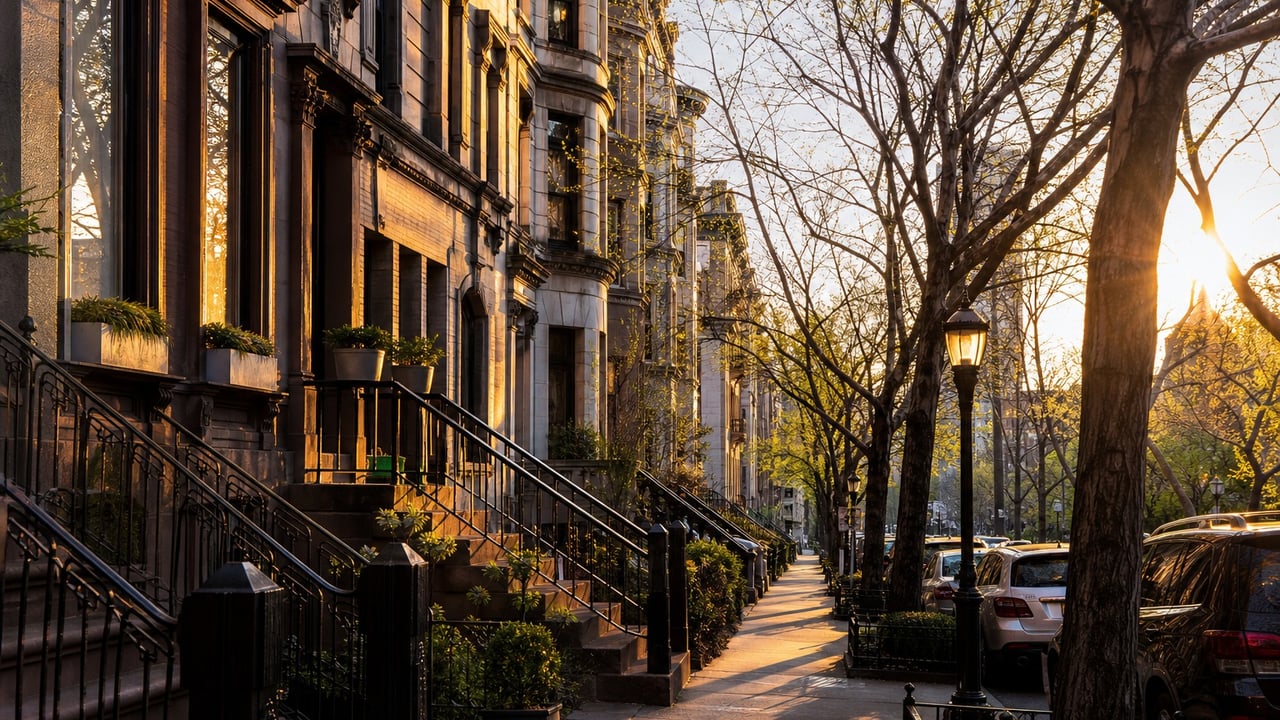
Brooklyn is ground zero. Nearly one-third of all Brooklyn homes sold above asking in August 2026, and Park Slope specifically saw more than 60% of sales close above list price. If you're searching in Park Slope right now, you need to walk in assuming competition, not hoping to avoid it. I've written more about why Park Slope remains one of NYC's most sought-after markets, the demand is real and it's not slowing.
Manhattan is more nuanced. About 16% of Manhattan homes sold above asking in August 2026, compared to more than 24% in Queens. But that citywide average masks neighborhood-level intensity: Greenwich Village saw roughly 40% of homes sell above ask in the same period. Here's a look at median sale prices and days on market across several of the areas I work in:
Area | Median Sale Price | Median Days on Market |
|---|---|---|
Tribeca | $3,800,000 | 45 |
Brooklyn Heights | $1,375,000 | 52 |
Williamsburg | $1,730,000 | 48 |
Park Slope | $1,590,000 | 48 |
Recent local market data for the Upper West Side shows a median sale price of $999,000 and a median of just 20 days on market across roughly 786 sales in the last 90 days. Twenty days is not a lot of time to think. The buyers who win are the ones who've already done their thinking before the listing hits.
If you want a deeper read on what's pushing prices in one of Manhattan's most competitive pockets, this breakdown on Greenwich Village pricing is worth your time.
How do you actually win a NYC bidding war as a first-time buyer?
I want to be direct here: you are not going to out-cash an all-cash buyer or out-bid someone with a significantly larger down payment on pure price alone. What you can do is make your offer as clean, credible, and low-risk as possible for the seller. That's where first-time buyers consistently leave money on the table, not on price, but on preparation and terms.
Get a fully underwritten pre-approval, not just a pre-qualification letter
This is the single most important thing you can do before you make an offer. A pre-qualification is a lender's rough estimate based on what you told them. A fully underwritten pre-approval means your income, assets, and credit have already been verified. In a bidding war in Park Slope or Greenwich Village, listing agents notice the difference. A seller who has to choose between two similar offers will lean toward the buyer whose financing looks airtight.
Your lender's track record in NYC also matters. Co-op transactions in particular require lenders who understand board packages, debt-to-income thresholds, and building-specific requirements. A lender unfamiliar with NYC's co-op process can slow or kill a deal, and listing agents know which lenders close on time. The CFPB's homebuying resource hub is a solid starting point for understanding the mortgage process if you're new to it.
Understand your contingencies, and know which ones you can tighten
Contingencies protect you. Waiving them entirely is a risk most first-time buyers should not take without fully understanding the downside. That said, there's a difference between keeping your contingencies and keeping them loose. Tightening the timeline on an inspection contingency, for example, signals to a seller that you're organized and motivated, without exposing you to the same risk as a full waiver.
Co-op purchases add another layer: board approval is a contingency unique to NYC, and sellers know it. If you're buying a co-op, your financial package needs to be board-ready before you make an offer, not after. I walk every first-time buyer I work with through this process before we submit anything. Understanding what fees and costs to expect as a buyer in NYC is part of that preparation.
Move fast, but move prepared
With the Upper West Side sitting at a 20-day median and Park Slope at 48 days but with 60% of sales closing above ask, the window to tour and decide is short. I tell buyers to be ready to submit within 24 to 48 hours on a well-priced listing in a competitive area. That means you've already toured similar apartments, you know your number, and your pre-approval is in hand.
Dragging out the decision-making process is one of the most common ways New York buyers lose good properties. Overanalyzing a solid opportunity while the market moves around you is its own kind of risk.
Use StreetEasy data to read the room, but don't rely on it alone
StreetEasy remains one of the primary search portals for NYC buyers, and its data is genuinely useful. Brick Underground notes that the number of "saves" a listing has on StreetEasy is a rough barometer of demand, a listing with hundreds of saves in Park Slope is a clear signal to prepare for strong competition. Days on market and price-cut history are also worth tracking.
But StreetEasy is not the whole picture. An ongoing dispute between Compass and StreetEasy, including an antitrust complaint alleging that Compass encouraged agents to delist from StreetEasy in favor of REBNY's Residential Listing Service, means some inventory simply doesn't appear on the portal. HousingWire's coverage of StreetEasy's tightened listing rules explains the current landscape. The practical takeaway: pair your StreetEasy searches with REBNY RLS data and individual brokerage sites so you're not missing listings that never made it to the portal. A good buyer's agent handles this for you automatically.
StreetEasy's market report section also publishes borough- and neighborhood-level data on above-ask sales, inventory, and contract activity. Reading it before you start touring gives you realistic expectations about what you're walking into.
Skip the love letter, focus on the package
Buyer letters to sellers are a mixed practice in NYC. Some listing agents discourage them outright because of fair housing concerns, and in a competitive market, a well-structured financial package does more work than a personal note anyway. Put your energy into making the offer itself as compelling as possible: clean terms, strong financing, flexible closing timeline if the seller needs it.
If you're new to what being represented as a buyer actually looks like in this market, this post on why having a broker matters in NYC covers the ground worth knowing.
Every situation is different, and the only way to know what your specific offer should look like is to work through it with someone who knows the building, the seller's agent, and the neighborhood. That's where the real advantage is.
---
If you want to see what other buyers and sellers say about working with me, read my reviews on Google, Zillow, or Realtor.com.
FAQ: NYC Bidding Wars and First-Time Buyers
How common are bidding wars in NYC right now, and which neighborhoods are most competitive?
Very common. StreetEasy data reported by the New York Post shows 25% of NYC homes sold above asking in July 2026 and 21.8% in August. Brooklyn is the most competitive borough overall, with nearly one-third of sales above ask. Park Slope specifically saw more than 60% of homes close above list price in August, and Greenwich Village in Manhattan saw roughly 40%. If you're targeting either of those areas, assume competition and prepare accordingly.
If I'm a first-time buyer using StreetEasy, how can I tell if a listing is likely to end up in a bidding war?
Watch the number of "saves" the listing has accumulated, how long it's been on market, and whether the area has a recent history of above-ask sales. Brick Underground notes that high save counts on StreetEasy are a reliable demand signal, a listing with hundreds of saves in a hot neighborhood is telling you something. Short days on market combined with a competitive price is another clear signal. Your agent should also be able to pull recent comparable sales to show you what the last five or ten homes in that building or block actually closed for.
Should I still use StreetEasy if some brokerages are pulling listings from the platform?
Yes, but don't use it exclusively. The Compass-StreetEasy dispute means a portion of inventory may only appear on REBNY's Residential Listing Service or individual brokerage sites. StreetEasy is still one of the most comprehensive consumer portals for NYC, and its market reports are genuinely useful for calibrating expectations. The smart move is to use StreetEasy as your starting point and have your agent cross-check REBNY RLS and brokerage-specific sites so you're not missing listings that never made it to the portal.
What can I do to make my offer stand out in a NYC bidding war when I don't have a huge down payment?
Focus on the strength of your financing and the cleanliness of your terms. A fully underwritten pre-approval from a lender with a proven NYC track record signals to the seller that your deal will close. Tightening contingency timelines where you can safely do so, offering a flexible closing date that works for the seller, and responding quickly all add up. Price matters, but sellers also weigh certainty, an offer that looks like it will actually close often beats a higher offer with question marks around it.
Is it still possible to win a home in NYC without offering above asking price in 2026?
Yes, but it depends heavily on the property and the neighborhood. In areas like Park Slope or Greenwich Village where above-ask sales are the norm, going in at list price on a well-priced home is likely not enough. In parts of Manhattan where the above-ask share is lower, around 16% citywide, there's more room to compete on terms rather than price. Targeting slightly less competitive segments, acting on listings that have been on market longer than average, or finding properties that need cosmetic work can all create openings. The key is knowing where the real leverage is, and that varies block by block.
Getting this right is exactly the kind of question worth talking through before you make your first offer. Call me at (917) 905-2878 or request a free home evaluation and we'll map out a strategy that fits your budget and timeline.
Equal Housing Opportunity. Broker-of-Record: John N. Wollberg, Corporate License No. 10311209467. Firm License No. 10991237613. Licensed by the New York Department of State, Division of Licensing Services. This article is general information only and does not constitute legal, tax, or financial advice, confirm your specific numbers with your closing agent, tax advisor, or lender.