What is driving Brooklyn's double-digit price surge in 2026, and what does it mean for luxury buyers?
Brooklyn's condo median sale price reached $1.49M in Q2 2026, a nearly 15% annual increase, while the borough-wide median across all property types climbed 4.1% year-over-year to $1.36M. For high-net-worth buyers, that acceleration means entry-level Brooklyn ownership is now firmly in seven-figure territory, competitive bidding on prime properties is the norm, and the old narrative of Brooklyn as a Manhattan discount is increasingly hard to defend.
Key Takeaways
- Brooklyn's borough-wide median sale price rose 4.1% year-over-year to $1.36M in Q2 2026, according to a recent Brick Underground report.
- The condo segment led the surge: Brooklyn condo median hit $1.49M in Q2 2026, up 14.8% annually, the sharpest gain across all property types.
- Prime brownstone neighborhoods are seeing multiple closings at $4M+, with some renovated townhomes exceeding that by a wide margin.
- In competitive luxury segments, full-price or near full-price offers are typically required to win, leaving limited room for traditional negotiating tactics.
- The double-digit surge is concentrated in mid-2026 and in luxury-leaning segments, borough-wide averages understate what buyers are actually competing against at the top end.
How sharp is Brooklyn's 2026 price acceleration, and which segments are leading it?
The borough-wide headline is notable, but the real story for high-net-worth buyers is in the segment breakdown. According to Brick Underground's summary of Q2 2026 data, Brooklyn condos posted a $1.49M median with a 14.8% annual gain, while co-op median prices declined slightly and one-to-three-family houses saw only modest increases. Deals across all property types were up 5.9% year-over-year.
That segment split matters enormously. If you're shopping for a co-op, the market feels different than if you're competing for a waterfront condo in DUMBO or a renovated brownstone in Carroll Gardens. I work across Brooklyn regularly, and what I'm seeing on the ground matches the data: the sharpest competition is concentrated in condos and townhouses in core neighborhoods, not across the board.
This is also an acceleration story, not a steady climb. The double-digit condo gains are a mid-2026 phenomenon. Earlier 2026 data showed more moderate annual increases, which means buyers who were watching the market in Q1 and waited may have walked into a materially different pricing environment by Q2.
Where the luxury pressure is most concentrated
At the neighborhood level, the luxury dynamics break down roughly like this:
- DUMBO and waterfront Williamsburg: Prime-view condos are frequently trading at price-per-square-foot exceeding $2,000, with multiple offers common on well-positioned inventory.
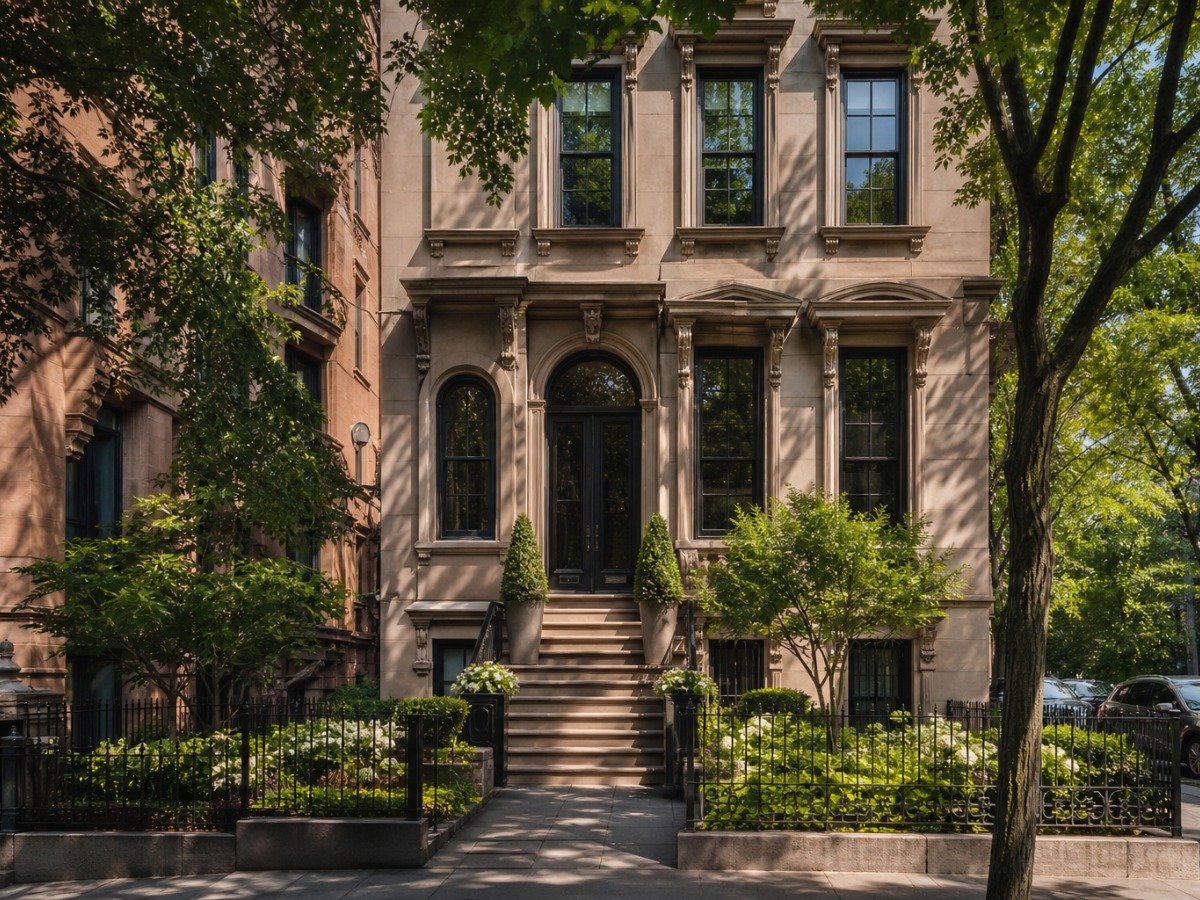
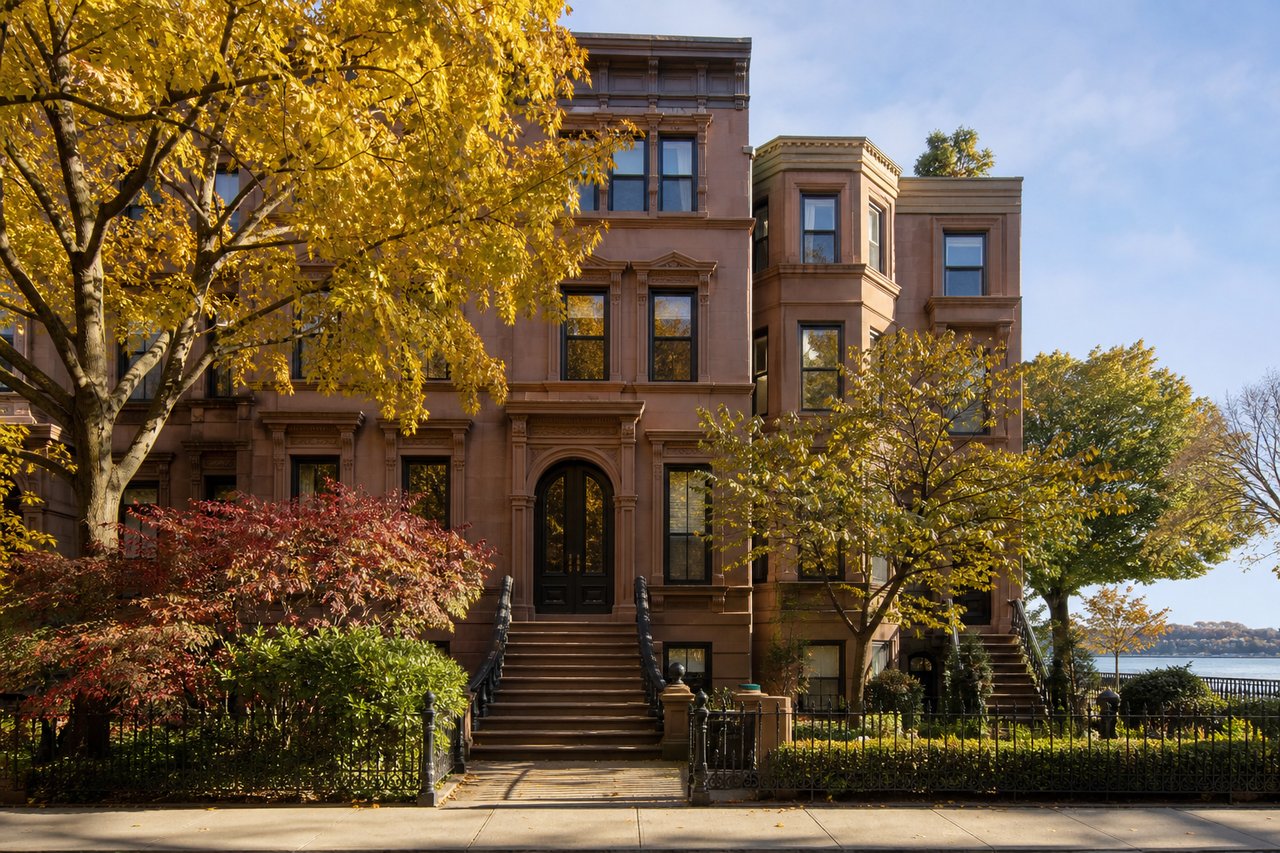
- Brooklyn Heights, Park Slope, Carroll Gardens, Fort Greene: Renovated brownstones and townhouses are closing at $4M and above, with the strongest examples pushing well past that. High-net-worth buyers are increasingly weighing these against Upper West Side and Upper East Side townhouses, often finding comparable or larger square footage and outdoor space at a lower absolute price.
- Downtown Brooklyn: A mix of new luxury towers and established co-ops, where newer finishes and amenities make units competitive against similar Manhattan stock at a price point that still offers some relative value.
For a deeper look at how Brooklyn's Park Slope market has been holding up over time, this post on Park Slope's continued appeal gives useful context alongside the 2026 data.
How does Brooklyn's surge compare to Manhattan and Long Island City for high-net-worth buyers?
Manhattan still commands higher absolute prices at the ultra-luxury end. Tribeca, Central Park West, and Billionaires' Row operate in a different universe from even the strongest Brooklyn neighborhoods. But the gap has narrowed in the mid-market luxury range, and that's exactly where many high-net-worth buyers are making decisions.
Consider what recent local market data shows across some of Manhattan's core neighborhoods:
Area | Median Sale Price | Median Days on Market |
|---|---|---|
Lincoln Square | $990,000 | 47 |
Tribeca | $3,833,000 | 45 |
Midtown Manhattan | $2,075,000 | 46 |
West Village | $1,287,500 | 54 |
Hudson Square | $597,500 | 43 |
SoHo | $3,377,500 | 45 |
A buyer comparing a $2M Brooklyn waterfront condo to a smaller or older Manhattan equivalent at a similar price is making a genuinely close call in 2026. Brooklyn's faster appreciation rate makes it attractive to investors betting on continued demand and neighborhood transformation. But it also raises an honest question: are you buying into the market after a rapid run-up, or is there still a runway? That answer depends heavily on the specific property, neighborhood, and your investment horizon. If you want to think through resale positioning before you commit, this breakdown of resale value across NYC neighborhoods is worth reading alongside the current Brooklyn data.
Long Island City sits in a different position. It's a new-development-heavy market with luxury high-rise condos that are often priced below prime Manhattan equivalents but sometimes comparable to newer Brooklyn towers. For high-net-worth buyers who prioritize Midtown proximity and river views, LIC can offer a compelling combination. Specific mid-2026 LIC figures aren't available in the same reports cited here, so I'd keep any LIC comparison qualitative until you're working with current, building-specific data.
The negotiation reality in late 2026
One of the most practical questions I hear from buyers right now: how much room is there to negotiate? In competitive luxury segments, waterfront condos, brownstones in prime neighborhoods, the honest answer is not much. Full-price or near full-price offers are often what it takes to win, and NAR's ongoing research on buyer competition reflects similar dynamics in high-demand urban markets nationally.
That doesn't mean every Brooklyn luxury property is a bidding war. Properties with condition issues, atypical layouts, or unusual configurations can still be negotiated. But those opportunities are relatively limited in the current environment, and counting on one as your strategy is a risky approach. Patience and preparation win bids here, including knowing exactly what a property is worth before you walk in the door, not after you've already made an offer.
One thing I tell buyers who are serious about Brooklyn: the borough-wide median is a starting point, not a strategy. A $1.36M median across all of Brooklyn tells you almost nothing about what you'll actually pay for a two-bedroom condo in DUMBO or a four-story townhouse in Brooklyn Heights. The CFPB's homebuying resource is a useful primer on the financial preparation side, but the market intelligence has to come from someone who's actually closing deals in these neighborhoods.
For buyers also weighing Manhattan options, this post on what $5 million gets you across NYC neighborhoods gives a direct comparison that's useful context alongside Brooklyn's current pricing.
What are the main risks and opportunities for high-net-worth buyers in Brooklyn right now?
The opportunities
- Appreciation momentum: Brooklyn's 14.8% condo gain in Q2 2026 is not something to dismiss. Buyers who entered prime neighborhoods two or three years ago have seen strong returns, and the demand drivers, lifestyle appeal, relative value versus Manhattan, continued neighborhood investment, haven't reversed.
- Townhouse value relative to Manhattan: A renovated brownstone in Carroll Gardens or Fort Greene at $4M to $5M still compares favorably on a price-per-square-foot basis to comparable Manhattan townhouse stock, particularly when you factor in lot size and outdoor space.
- New development pipeline: Downtown Brooklyn and select waterfront neighborhoods continue to see new luxury inventory that offers modern finishes and amenities at price points that can be competitive with older Manhattan equivalents.
The risks
- Buying after a run-up: Double-digit gains in a single year compress the margin for error. If your investment thesis depends on continued rapid appreciation, you're taking on more risk than if you're buying for long-term hold or primary use.
- Data headline vs. segment reality: Borough-wide medians can mask significant variation. A co-op in a less-sought-after neighborhood is not the same market as a waterfront condo in DUMBO. Buyers who act on the headline without understanding the segment can overpay or underprepare.
- Carrying costs and board requirements: Co-ops in particular carry board approval processes and financial requirements that can complicate or delay transactions. Condos offer more flexibility but often at a higher entry price. Understanding the full carrying cost picture, common charges, property taxes, any assessments, is essential before committing.
Every one of these factors plays out differently depending on the specific building, block, and property. Your specific situation, investment horizon, financing structure, use case, determines which risks and opportunities are most relevant. That's the kind of analysis worth working through with someone who knows the market at that level of detail, not from a borough-wide data summary.
If you're weighing Brooklyn against Manhattan luxury options, understanding the full cost structure of a NYC purchase is a critical part of that comparison.
I've spent over 20 years closing transactions across Manhattan and Brooklyn, and the one thing I can say with confidence is that the market is never one market. A condo in DUMBO and a co-op in Prospect Heights are not the same investment decision, even if they're in the same borough and close to the same price. If you're a high-net-worth buyer trying to make sense of where Brooklyn fits in your portfolio or your life right now, I'm happy to walk through the specifics with you.
You can reach me directly at (917) 905-2878 or request a free property evaluation here if you want a grounded read on a specific property or neighborhood before you move.
You can also read what past clients have said about working with me on Google, Zillow, and Realtor.com.
FAQ
Why are Brooklyn home prices up double digits in 2026, and is this sustainable for luxury buyers?
Brooklyn's condo median jumped 14.8% year-over-year to $1.49M in Q2 2026, driven by concentrated demand in luxury-leaning segments, waterfront condos, prime brownstone neighborhoods, and new development towers. Whether it's sustainable depends heavily on the specific segment: neighborhoods with strong lifestyle demand and limited supply have more durable pricing than broader borough averages suggest. Buyers with a long-term hold horizon are better positioned to absorb any near-term volatility than those counting on continued rapid appreciation.
Is Brooklyn still a value play for high-net-worth buyers, or have double-digit gains erased the Manhattan discount?
The gap has narrowed significantly, but it hasn't disappeared entirely. At the ultra-luxury end, Manhattan still commands higher absolute prices. In the $2M to $5M range, however, a Brooklyn waterfront condo or prime brownstone is now genuinely competitive with comparable Manhattan inventory, and in some cases offers more square footage or outdoor space for the price. The "value play" framing is less accurate in 2026 than it was two or three years ago, but the relative positioning still depends on the specific property and neighborhood.
What does a $1.36M+ borough-wide median mean for bidding strategy on high-end Brooklyn properties?
The borough-wide median is a floor, not a ceiling, for luxury buyers. In competitive segments like DUMBO condos or Carroll Gardens brownstones, the relevant comparison is the segment-specific median, which is materially higher. Practically, that means full-price or near full-price offers are typically required on well-positioned inventory, and buyers who come in expecting meaningful discount room are often losing to better-prepared competition. Working with someone who tracks absorption and recent closings at the neighborhood and building level is the difference between a competitive offer and a wasted one.
How do rising Brooklyn condo prices affect demand for new development versus resale inventory?
When resale prices climb sharply, new development can look more attractive on a relative basis, particularly when it offers modern finishes, amenities, and flexible financing structures that resale co-ops don't. In Downtown Brooklyn and select waterfront neighborhoods, new luxury towers are drawing buyers who might otherwise have focused on resale brownstones. That said, new development carries its own considerations, sponsor contracts, common charge structures, and delivery timelines, that require careful review before committing.
Are high-net-worth buyers facing tighter negotiating room in Brooklyn compared to Manhattan in late 2026?
In prime Brooklyn luxury segments, yes. The data from Q2 2026 shows deal volume up 5.9% year-over-year alongside sharply higher prices, which is not a market where sellers are under pressure. Manhattan's luxury resale market also saw price gains in 2026, but at a slower rate than Brooklyn's double-digit condo surge, meaning Manhattan sellers in some segments may have slightly more flexibility. The honest answer is that negotiating room in either market depends on the specific property, condition, days on market, and competition are what actually determine leverage, not borough-level averages.
Equal Housing Opportunity. This article is general information only and does not constitute legal, tax, or financial advice, confirm your own numbers with your closing agent, tax advisor, or lender. Broker-of-Record: John N. Wollberg, Corporate License No. 10311209467. Firm License No. 10991237613. Licensed by the New York Department of State, Division of Licensing Services.