Buying Near Lincoln Center Means Checking the Block Too
What should you check when buying near Lincoln Center?
When you're buying near Lincoln Center, check the block as carefully as the apartment. Visit at four different times, including before and after an evening performance, stand in the room where the windows face, and ask the building about noise, entrance congestion, and deliveries. Lincoln Center publishes its calendar, so you can pick the dates instead of guessing.
Key Takeaways
- Recent local market data shows a median sale price of $1,382,500 for Upper West Side homes sold over the last 90 days, but that is an area-level figure and says little about any one block near Lincoln Center.
- A useful comparison covers four visit windows: a weekday morning, a weekday evening with a scheduled performance, a weekend afternoon, and the period right after an evening show lets out.
- Lincoln Center's 2026-27 programming spans multiple venues, so activity is not limited to one hall or one entrance.
- Street closures and construction access are temporary and block-specific, so treat them separately from the permanent character of a street.
- The apartment's exposure matters as much as its address: a rear bedroom and a living room facing a pedestrian approach can sound completely different.
I work Lincoln Square and the Upper West Side constantly, and the pattern is consistent. Buyers arrive with a list of what they want inside the apartment. The best ones leave with a list of what they want to know about the street. In New York, the neighborhood, the building, and the block all behave differently, and the market is almost never one market.
When should you visit a Lincoln Center-area apartment to check noise?
Visit at least four times: a weekday morning, a weekday evening with a scheduled performance, a weekend afternoon, and the period immediately after an evening performance ends. The official Lincoln Center calendar is the most practical way to pick those dates.
Visit window | What to look and listen for |
|---|---|
Weekday morning | Deliveries, trash pickup, construction access, the pace of errands on foot |
Weekday evening before a performance | Sidewalk congestion at your entrance, taxi and rideshare pickup patterns, restaurant activity |
Weekend afternoon | Pedestrian volume, barricades, whether the entrance is on a main route or a side street |
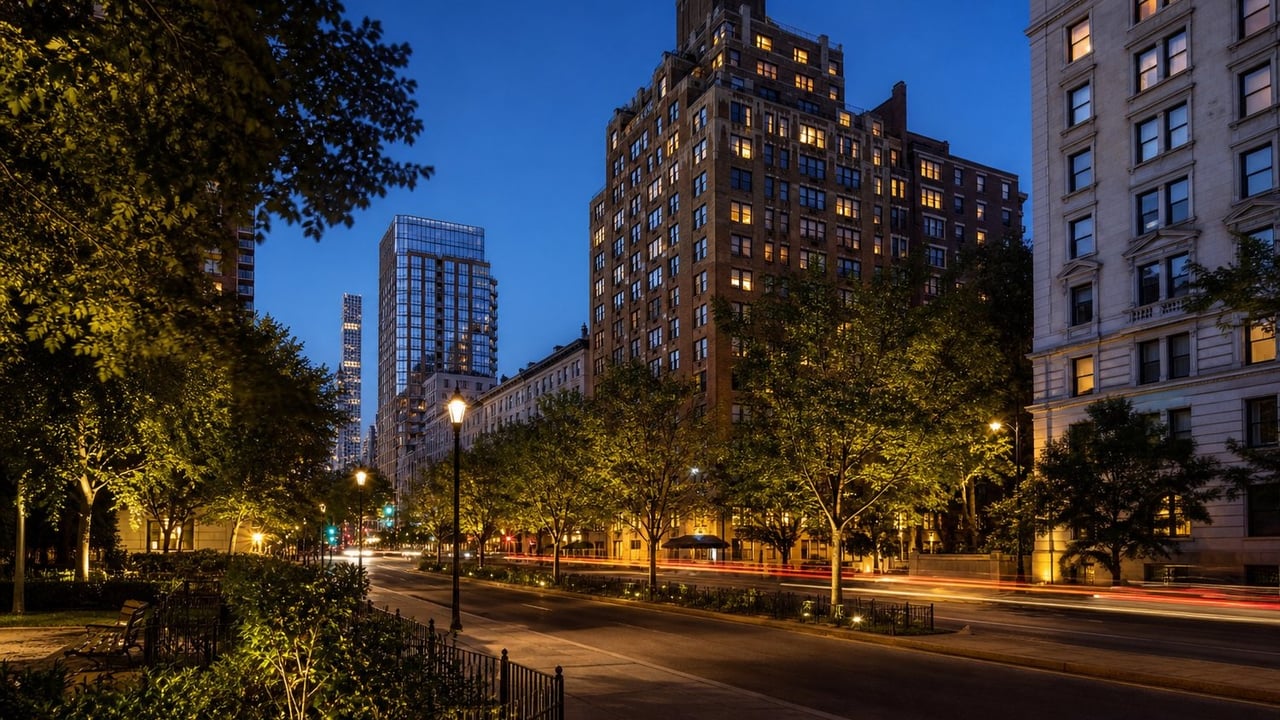
Right after an evening performance | Crowd movement, car service queues, voices carrying up to your windows |
How do you plan a performance-day visit?
Go once before the listed start time and again shortly after the performance ends. The Lincoln Center Presents calendar listed programming throughout November and December 2026, including a benefit concert at David Geffen Hall on November 16 at 8:30 p.m., so there are plenty of dates to choose from.
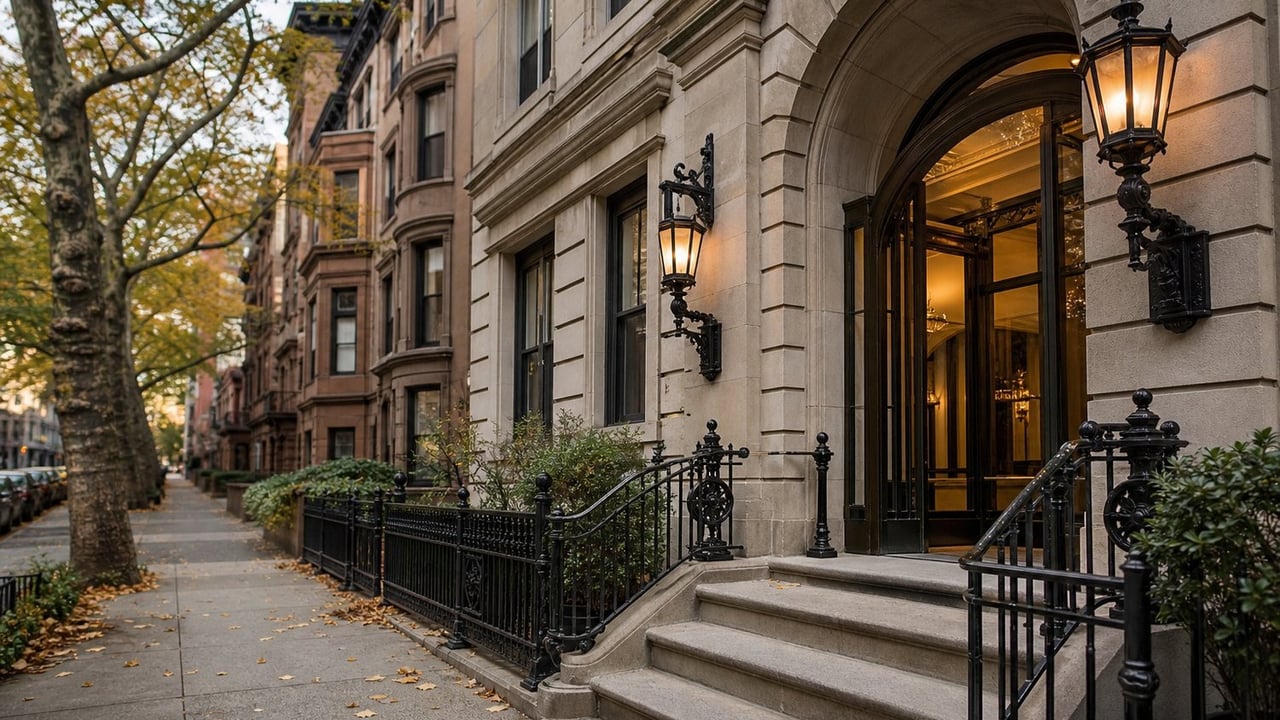
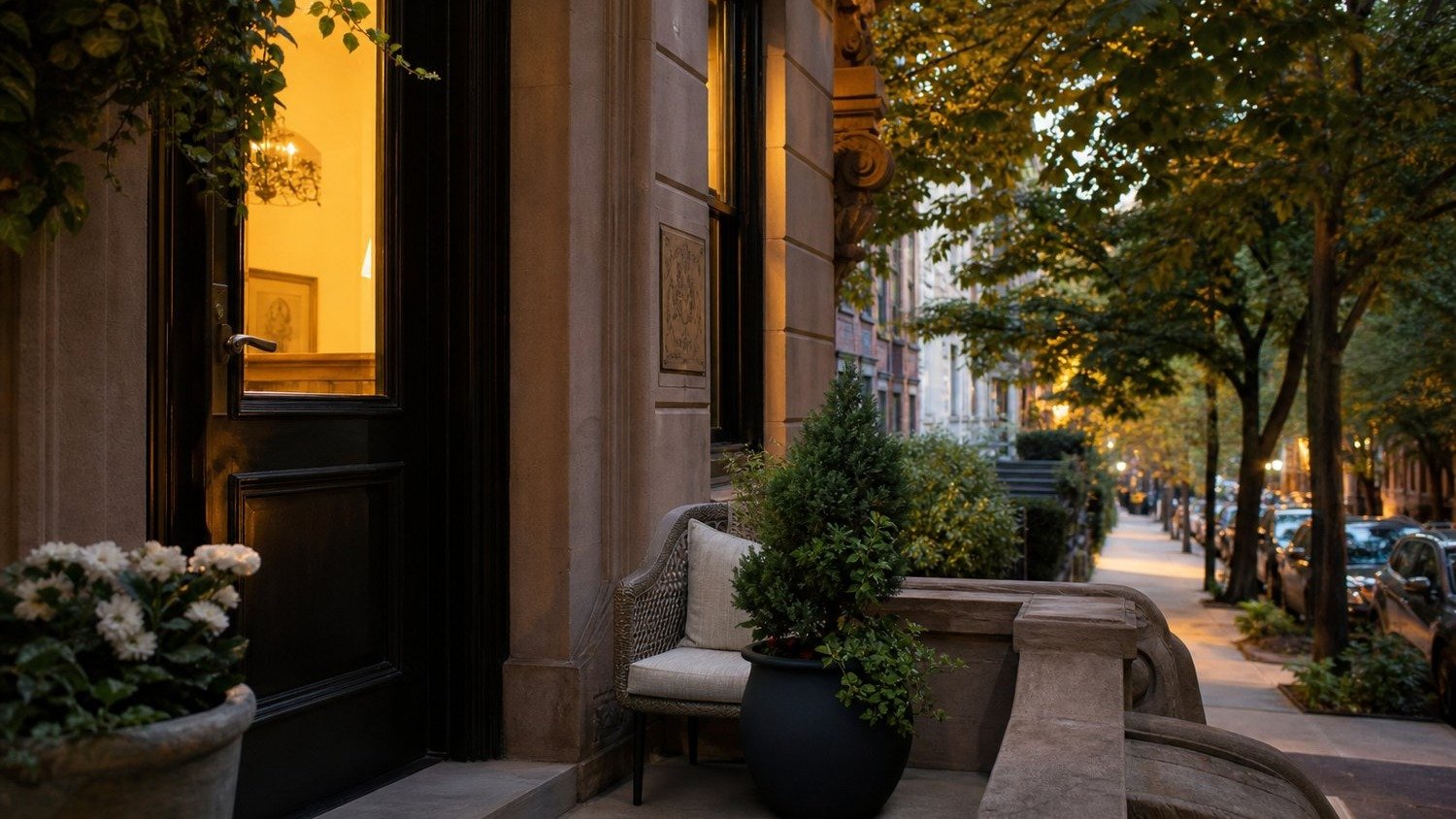
While you're there, check where the building's entrance sits. Is it directly on a pedestrian route? Beside a restaurant or a gathering point? Or on a quieter side street? Two buildings a block apart can give you very different answers.
Does the apartment's exposure change the answer?
Yes, and it's the step buyers skip most. Inspect conditions from the apartment's actual exposure, not only from the nearest avenue. A rear-facing bedroom, a courtyard exposure, or a higher floor can have a materially different sound environment from a living room facing a main pedestrian approach.
This is also where layout becomes part of the noise conversation. When I describe a home like the four-bedroom at 150 Columbus Avenue, with its separate primary suite and east bedroom wing, the story is privacy and flow, not bedroom count. Where the bedrooms sit relative to the street is part of that story.
Does the season change what you'll hear?
It can. Lincoln Center's Summer for the City ran from June 10 through August 8, 2026, with free or choose-what-you-pay events and outdoor programming. The regular fall and spring season concentrates activity around scheduled indoor performances.
So a quiet winter daytime visit doesn't necessarily represent a summer evening on the same block. Lincoln Center's 2026-27 programming announcement, issued in August 2026, covers the fall 2026 and spring 2027 seasons across multiple venues. That's a good reason not to assume activity is tied to one hall or one entrance.
What should you ask the building and seller about noise and access?
Ask the managing agent or the seller whether the building has had recurring issues with late-night pedestrian noise, delivery vehicles, taxi or rideshare pickups, event-related barricades, sidewalk congestion, or construction access. These are building-specific and block-specific questions. You can't infer the answers from proximity to Lincoln Center alone.
I'd put it this way: an experienced broker earns their keep by spotting these issues before you're under contract, not after you've moved in. If you want a second set of eyes on a specific building, that's a conversation I'm glad to have.
Are streets or sidewalks ever closed?
Sometimes, and usually for utility or construction work. The Lincoln Square BID posted a community alert about a weekday closure of West 64th Street between Broadway and Columbus Avenue for Con Edison gas work, from July 29 through July 31, 2026, between 9:30 a.m. and 3:30 p.m.
That closure was time-limited and is over, so it isn't a condition of the block today. The point is that temporary street conditions are different from permanent ones. Keep a mental note of what you saw, then ask whether it's a one-off or a recurring pattern. The BID's community alerts are a good place to see what kinds of work come up.
Which daily errands can you handle on foot?
The honest answer is the ones you actually do, so test your real routine. Walk the grocery run, the pharmacy stop, the dry cleaner, and the route to your subway line from the building's front door. Do it once on a weekday morning and once on an evening with a performance.
I won't hand you a list of prices or store hours here, because those change. What doesn't change is how long the walk feels when the sidewalk is full. For a broader look at how the institution shapes the area, I wrote about how Lincoln Center shapes real estate on the UWS.
What does buying near Lincoln Center look like in the numbers?
Recent local market data puts the median sale price for Upper West Side homes sold over the trailing 90 days, as of November 2026, at $1,382,500. Here's how that sits beside two nearby areas.
Area | Median Sale Price |
|---|---|
Upper West Side | $1,382,500 |
Lincoln Square | $1,130,610 |
Tribeca | $3,600,000 |
Treat these as area-level medians. They blend unit sizes, building types, and conditions, so they won't tell you what a specific apartment is worth. A renovated three-bedroom on a quiet side street and a studio facing a busy approach are not the same asset, even in the same ZIP. Building, floor height, light, layout, and renovation quality all move the number.
On supply, recent local market data shows 860 homes for sale now in the Upper West Side, with 218 new listings in the last 30 days. Over the last 90 days, 60 homes sold. That's a lot of inventory compared with recent sales, which gives you room to be selective. You don't need to rush past the block research, and I'd argue you shouldn't.
Ongoing costs belong in the same comparison, because a quiet block and a lively one can come with different building expenses. I cover that in what owning an apartment near Lincoln Center actually costs. If you're still weighing areas, how to choose the right neighborhood in Manhattan is a good starting point.
Every situation is different, and the best way to compare two specific buildings is to line them up side by side with someone who knows both. That's exactly what I do with buyers before we write an offer.
Curious what past clients say? You can read reviews of Rick on Google, Zillow, and Realtor.com.
FAQ
How noisy is it to live near Lincoln Center after evening performances?
It depends on the block, the entrance, and which way your windows face. There's no reliable block-by-block noise dataset, so the only trustworthy method is to stand there yourself shortly after a performance ends. Do it from inside the apartment too, if the seller or broker allows.
What time should I visit a Lincoln Center-area apartment to check street noise?
Visit at four different times: a weekday morning, a weekday evening before a performance, a weekend afternoon, and right after an evening show lets out. Use the Lincoln Center calendar to choose dates that actually have scheduled programming.
Are Lincoln Square streets or sidewalks ever closed for performances, festivals, or construction?
Yes, closures happen, mostly for utility or construction work. A July 2026 example was a three-day weekday closure on West 64th Street for Con Edison gas work, which has since ended. Ask the managing agent whether barricades or construction access are recurring problems on that specific block.
How can I check Lincoln Center's performance schedule before making an offer?
Use the official Lincoln Center calendar and the Lincoln Center Presents calendar, both published on lincolncenter.org. Look at the dates around your planned visits and check more than one venue, since programming runs across multiple halls.
Which Lincoln Center venues create the most activity around apartment entrances?
That varies by block and by night, and there's no verified data ranking venues by activity at nearby entrances. Programming spans several venues, so watch your own entrance on a few different performance nights rather than assuming one hall drives it.
Ready to compare specific buildings?
Buying near Lincoln Center works best when the block gets the same scrutiny as the apartment. Four visits, one look from the actual windows, and a few direct questions to the managing agent will tell you more than the listing ever will. I'm happy to help you build that plan and line up the buildings that deserve a closer look.
Schedule a Consultation or Request a Free Home Evaluation.
Equal Housing Opportunity. Broker-of-Record: John N. Wollberg, Corporate License No. 10311209467. Firm license # 10991237613. Regulated by the New York Department of State, Division of Licensing Services. This article is general information, not legal, tax, or financial advice; confirm your own numbers with your closing agent, tax advisor, or lender.