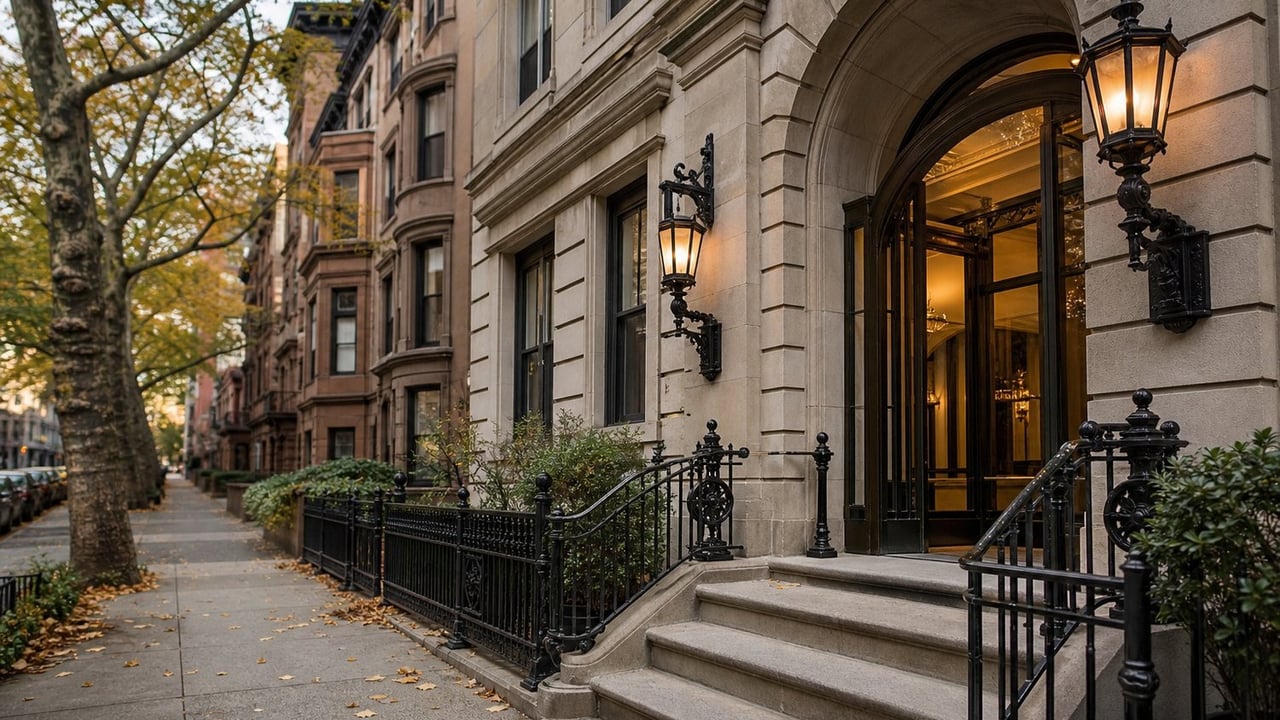
When should you lower your NYC home’s asking price?
Lower your NYC home’s asking price when the evidence shows buyers are looking but not acting at that number: showings thin out, feedback keeps landing on price, and comparable listings are getting the traction yours isn't. A date on the calendar doesn't make this call. A pattern does, and acting while the listing still feels new protects your momentum.
Key Takeaways
- Recent local market data shows 874 Upper West Side homes for sale now against 59 homes sold over roughly the last 90 days, so buyers have plenty of choice and an overpriced listing gets passed over.
- Citywide, 4,951 properties were newly listed in September 2026, the largest monthly wave in four years, which means fresh competition arrives faster than most sellers expect.
- Few views point to an exposure problem, while strong views with few showings point to a price that doesn't convert curiosity into visits.
- A reduction works when it moves your home into a search bracket beside genuinely comparable listings, so there is no universal percentage to cut.
- Document every change with the date, old price, new price, and reason, because the price history stays visible no matter how it's worded.
Is it your price, or is the NYC market just slow?
Start with the market, then narrow to your exact comparison set. A slow market and an overpriced listing look the same from your couch, but they call for different responses.
Here's the citywide picture. StreetEasy data reported by the New York Post shows 4,951 properties newly listed across the five boroughs in September 2026, the largest monthly wave in four years. The same report put the typical time to reach a deal at 88 days. It also showed overall inventory of 16,737 homes, down 4.9% from a year earlier.
That combination matters. New listings can surge while total inventory shrinks, so you have to separate fresh arrivals from the full field you actually compete against. Every new listing in your bracket gets compared with yours.
Locally, recent local market data for the Upper West Side shows 874 homes for sale now, 236 new listings in the last 30 days, and 59 homes sold over roughly the last 90 days. That's a lot of choice for buyers. In a field like that, a price that's even a little out of line gets scrolled past.
Why a neighborhood median is not your comparison set
Area medians are useful context. They are not a pricing tool.
Area | Median Sale Price |
|---|---|
Upper West Side | $1,392,500 |
Lincoln Square | $1,315,000 |
Tribeca | $4,000,000 |
Those are area-level medians. Your home's value depends on the building, the apartment line, the floor, the light, the condition, and the monthly charges. A Manhattan co-op should be measured against recent Manhattan co-op sales and active co-op listings, not condos, Brooklyn townhouses, or a citywide number.
The same goes for the luxury end. Olshan Realty's weekly report, covered by Realtor.com, counted 30 Manhattan luxury sales at $4 million or more in the week of September 28 to October 4, 2026, the highest weekly total since the week ending June 14, 2026. That's encouraging for that band. It says very little about a $1.4 million co-op on the Upper West Side. Compare like with like: same price band, same building type, same neighborhood.
I hold one belief above the rest here: pricing is marketing. The asking price decides which searches you appear in, which buyers walk in, and whether brokers talk about your place as one with momentum. If the market is telling you something, I'd rather hear it early than defend the original number.

What signals tell you a price reduction is overdue?
Look for a pattern across exposure, qualified buyer activity, and feedback, not a single bad weekend. Each one points to a different fix.
What you're seeing | What it usually points to | First move |
|---|---|---|
Few views and few inquiries | An exposure problem: photos, listing details, syndication, showing logistics, or promotion | Fix the marketing before touching price |
Strong views and saves, few showing requests | Curiosity that doesn't convert at this price | Compare price and monthly charges with nearby comparable listings |
Regular showings, no offers | A gap between perceived value and price, condition, terms, or financing | Read the feedback for repeat themes, then reassess the price |
Strong start, then showings dry up | Early buyers passed and fresh competition arrived | Re-check the newest listings and sales in your comp set |
Is it an exposure problem or a pricing problem?
Low views and inquiries usually mean exposure, not price. Before you cut anything, confirm the listing is getting full marketing reach, the photos and floor plan are strong, the information is complete, and showings are easy to book.
Strong views with few showings is a different story. Buyers are curious, but the number, the monthly charges, or both aren't earning a visit.
Are the buyers qualified, or just browsing?
Online interest is not the same as buyer interest. Track what happens after the click: mortgage-ready buyers, proof-of-funds submissions, completed showings, second showings, and offers. A hundred saves and no second showings tells you something very different from five showings and two second looks.
Does buyer feedback justify a reduction?
Treat feedback as evidence, not a vote. One buyer's opinion about the kitchen is noise. The same comment about layout, light, floor, or monthly carrying costs from several unrelated buyers is a pattern. A pattern plus low showing volume, or strong online engagement with no offers, is what tells you the price is doing the damage.
What are competing listings telling you?
Check what has happened nearby since you launched. Have similar homes changed price, gone into contract, or sold? If comparable listings are drawing offers at their prices and yours isn't, the market is answering you directly. If everything in your bracket is quiet, you may be facing a slow stretch, though you still need to decide whether to meet it with a stronger price.
Days on market changes psychology. The longer a listing sits, the more buyers start asking what's wrong with it. And you only get to be the new listing once. If you spend those first weeks at a number the market doesn't support, you can fix the price later but you won't get the same excitement back. "We can always come down" is technically true. Strategically, it can be expensive.
I'm not emotionally attached to being right about the original number. I'm attached to getting your home sold on the best realistic terms. When the evidence changes, the strategy changes.
How do you lower your NYC home’s asking price the right way?
Make the cut meaningful enough to change who sees your listing, base the new number on the newest evidence, and document it clearly. A token trim often leaves you in the same search bracket, next to the same competition, with one fewer price move to use.
How much should you reduce it?
There's no universal percentage, and anyone quoting one is guessing. The right adjustment depends on where the home was originally positioned, what competing inventory looks like, its condition, and the latest closed sales. The real question is whether the new price places you beside genuinely comparable homes in the searches buyers are running.
Reassess from the newest closed sales and current active competition, not from your original launch number. For co-ops, factor in maintenance, board requirements, and financing constraints. For condos, look at common charges and taxes. The numbers a buyer sees on the listing are the ones they compare. If you want to understand how a lower price affects what you keep, read my breakdown of what it really costs to sell a home in NYC and seller's closing costs, then we'll run your own net together.
Should you relist or just make a price improvement?
Make the price change and keep the record honest. Calling it a "price improvement" is a marketing choice, but it shouldn't obscure the real price history, which remains available through the listing service and brokerage records. Don't count on a relist to erase it.
In your own file, log the effective date, the prior asking price, the new asking price, and the reason for the change. That keeps the strategy clear and makes the next decision easier.
What should change along with the price?
A new price deserves a fresh push. Update the headline, recheck the photos and floor plan, and let brokers and active buyers know. Neighborhood context also helps you see where you sit, and my look at resale value across NYC neighborhoods is a good companion for understanding how buyers weigh one area against another.
Your specific number depends on your building, your line, and what's competing against you this week. That's exactly the kind of question I work through with sellers before we decide to move.
If you'd like to see how past clients feel about working with me, you can read my reviews on Google, Zillow, and Realtor.com.
FAQ
How many days should I wait before lowering my NYC home’s asking price?
There's no fixed number of days that works for every listing. Wait for evidence, not a date: showing volume, qualified buyer activity, feedback patterns, and what comparable listings are doing. The StreetEasy figure of 88 days to reach a deal is a citywide typical, not a deadline for your apartment, and if early signals already point to price, waiting only spends your new-listing attention.
Why is my NYC listing getting online views but no showings?
Views without showings usually mean buyers are curious but the listing isn't converting at its price. Check the listing details, photos, and floor plan first, then compare your asking price and monthly charges with nearby comparable listings. If the presentation is strong and the interest still doesn't turn into visits, price is the likely culprit.
Should I lower the price after an open house gets no offers?
Not automatically, because one open house is one data point. Look at who attended, whether they were qualified buyers, what they said, and whether anyone asked for a second showing. A quiet open house plus thin showings and repeated price comments is a stronger case for a reduction.
How much should I reduce the asking price on a NYC apartment?
The right amount depends on your original positioning, competing inventory, the home's condition, and recent comparable sales, so no single percentage fits. The goal is a price that puts you in front of buyers searching beside genuinely comparable homes. I'd run the current comps with you before picking a number.
Is my home overpriced, or is the NYC market temporarily slow?
Compare your listing with similarly priced nearby homes of the same type. If those listings are drawing showings and offers while yours isn't, the issue is your listing. If the whole bracket is quiet, it may be the market, though you still have to decide whether to meet that market with a sharper price.
The core takeaway: read the market's response honestly and move while your listing still has attention. Adjusting your NYC home’s asking price on evidence, not hope, is how you keep buyers engaged. If you want a straight read on your own listing, schedule a consultation and we'll go through your showings, feedback, and comps. You can also request a free home evaluation.
Equal Housing Opportunity. Broker-of-Record: John N. Wollberg, Corporate License No. 10311209467. Firm license # 10991237613. Regulated by the New York Department of State, Division of Licensing Services. This article is general information, not legal, tax, or financial advice; confirm your own numbers with your closing agent, tax advisor, or lender.